
For
UK
audiences
The comprehensive guide to wound product selection
The comprehensive guide to wound product selection
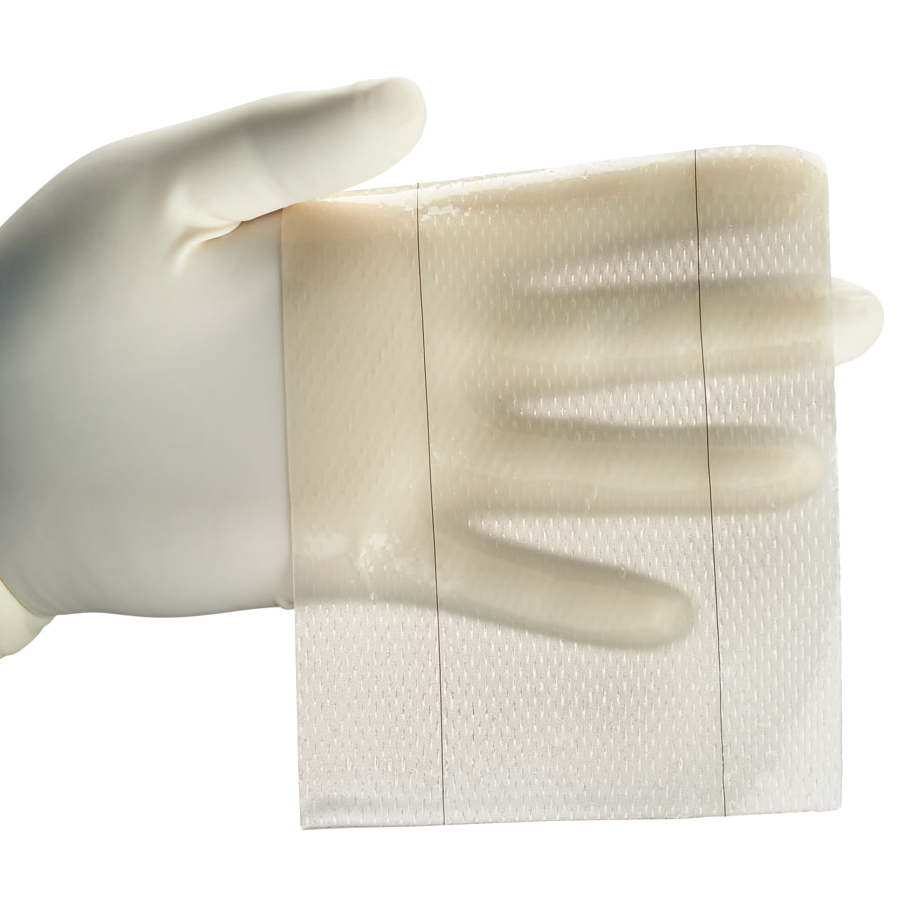
An advanced bilayer matrix for dermal regeneration. The dermal replacement layer, consisting of a porous three-dimensional matrix comprised of bovine tendon collagen and chondroitin-6-sulfphate, is designed to have a controlled porosity and defined degradation rate, and promotes wound healing in a single application. The temporary epidermal layer is made of synthetic polysiloxane (silicone). The semipermeable silicone membrane controls water vapour loss, provides a flexible adherent covering for the wound surface, and adds increased tear strength to the device. Can be used in conjunction with NPWT.
Post-excisional treatment of full-thickness and partial-thickness injuries where sufficient autograft is not available at the time of excision or not desirable due to the physiological condition of the patient. Also indicated for use in reconstruction of post-excisional, full-thickness defects of the integument, where there is, in the opinion of the treating surgeon, a potential benefit to the patient by improving the reconstructive outcome or decreasing their mortality/morbidity.
Hypersensitivity to bovine collagen, chondroitin sulfate derived from shark cartilage or silicone; clinically diagnosed infected wounds – if using with NPWT, any device-specific contraindications, such as exposed arteries, veins, organs, anastomotic sites or nerves; malignancy in wound; untreated osteomyelitis; untreated malnutrition; necrotic tissue; non-enteric/unexplored fistulas; sensitivity to silver (if silver dressings are used)
5×5cm, 10×12.5cm, 10×25cm, 20×25cm, not on Drug Tariff
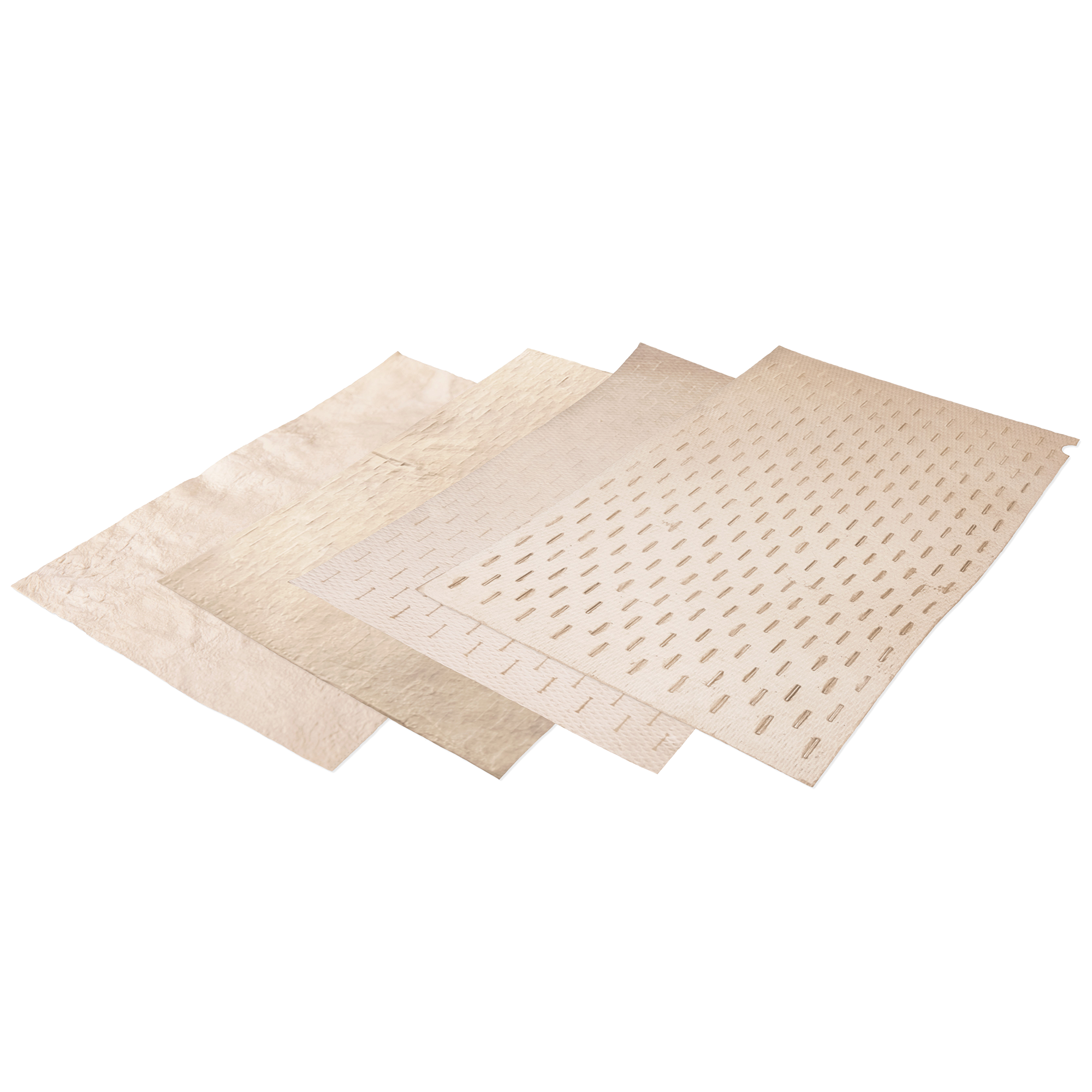
Versatile range of dermal matrices with varying resorption profiles allowing wound coverage and tissue deposition for the duration that is required. An extracellular matrix (ECM) derived from porcine urinary bladder matrix (UBM), it provides an environment that supports new tissue formation and wound healing. It is acellular, minimally processed, non-crosslinked and completely resorbable, and it is associated with a modified inflammatory response.
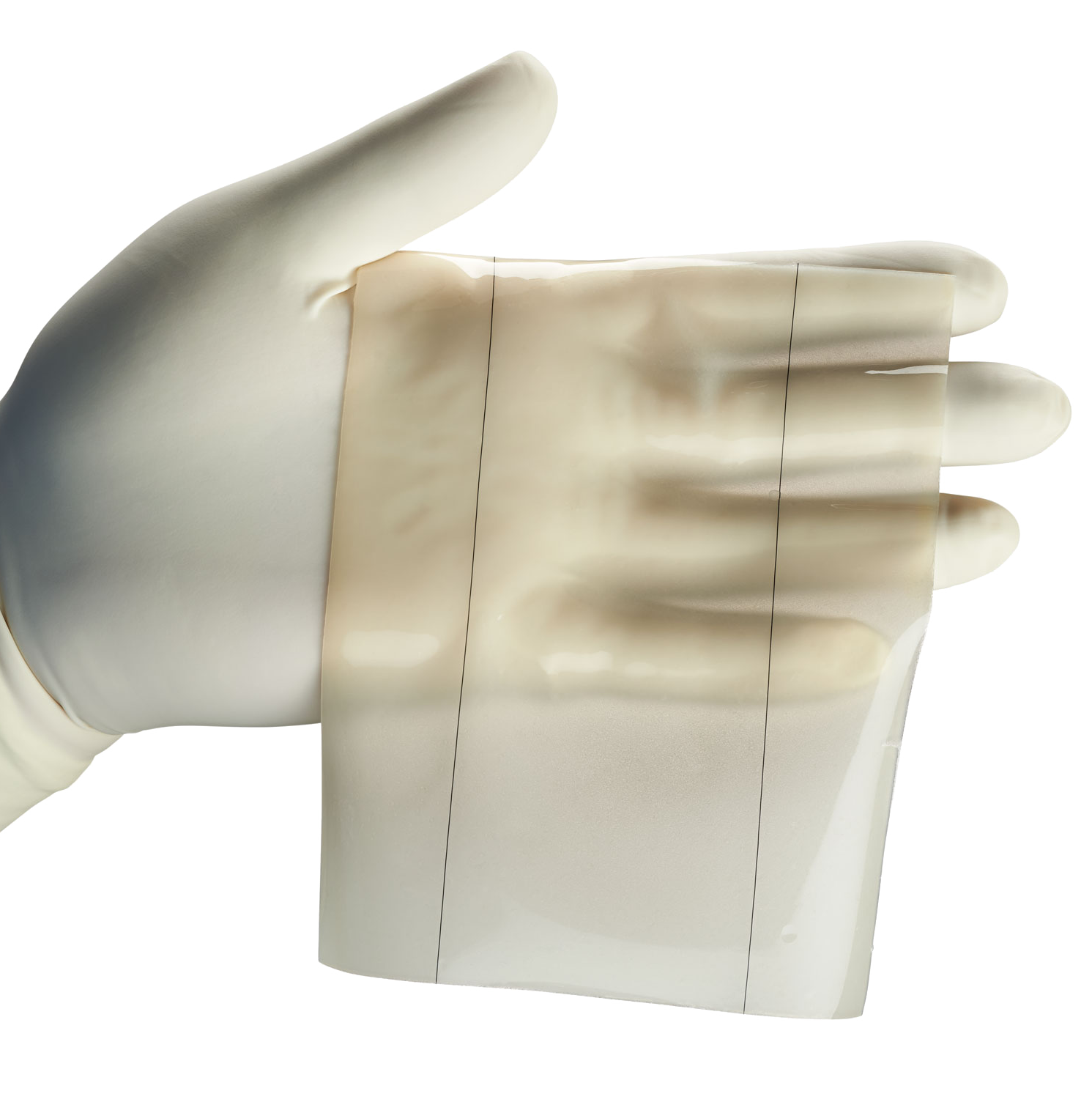
A bilayer membrane system for skin replacement. The dermal replacement layer is made of a porous matrix of fibres of cross-linked bovine tendon collagen and glycosaminoglycan (chondroitin-6-sulphate) that are manufactured to have a controlled porosity and defined degradation rate. The collagen-glycosaminoglycan biodegradable matrix provides a scaffold for cellular invasion and capillary growth. The epidermal substitute layer is made of a thin polysiloxane (silicone) layer to control moisture loss from the wound. The silicone outer layer is removed when the dermal skin has regenerated and is replaced with a thin epidermal skin graft.
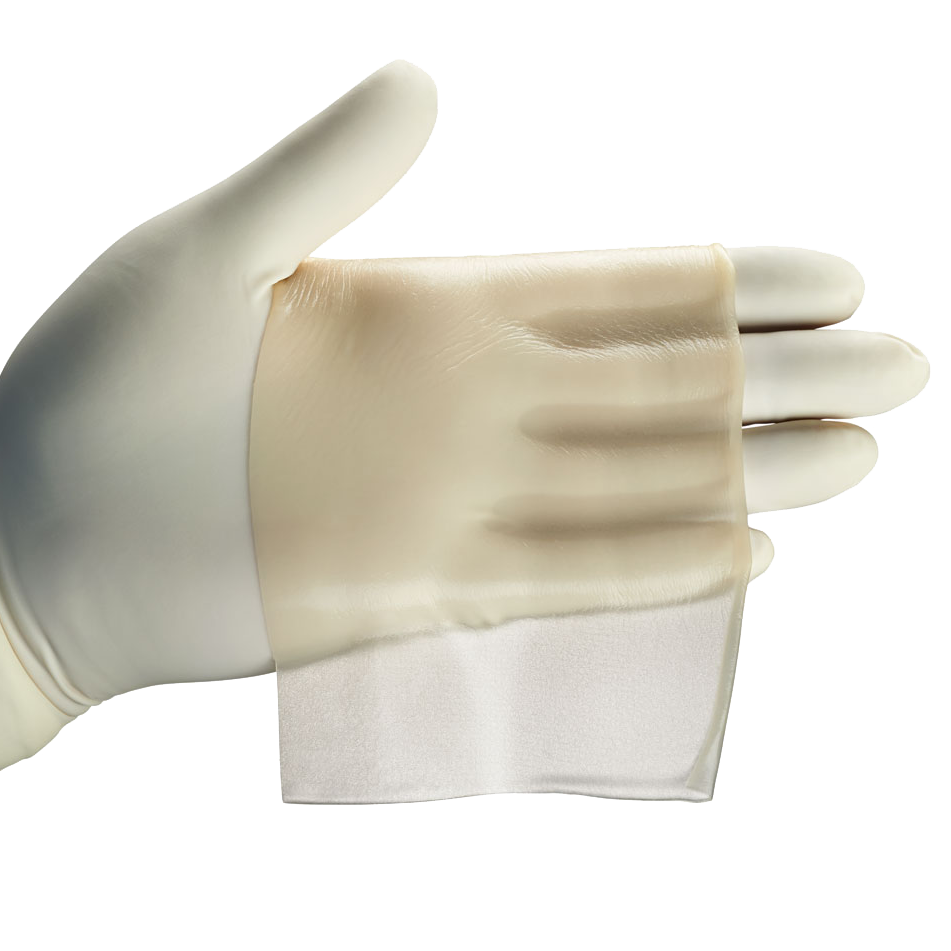
Available in thin and regular thicknesses, this is an advanced matrix for dermal regeneration. The dermal replacement layer, which consists of a porous three-dimensional matrix comprised of bovine tendon collagen and chondroitin-6-sulphate, is designed to have a controlled porosity and defined degradation rate. It promotes wound healing in a single application. Integra Single Layer Template can be used as a standalone matrix or in combination with the bilayer Integra Template to add extra thickness to the dermal layer, when wounds of different depths are to be treated.
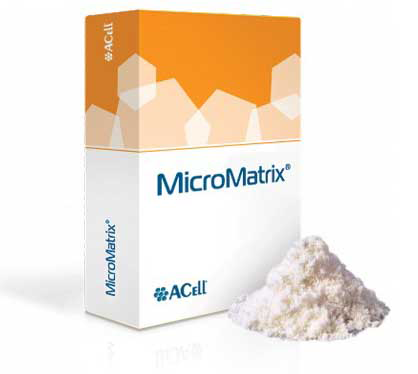
Easy-to-use dermal repair matrix in powder form that allows intimate contact with all parts of the wound, even in irregular-shaped and/or deep wounds. An extracellular matrix (ECM) derived from porcine urinary bladder matrix (UBM) technology, it provides an environment that supports new tissue formation and wound healing. It is acellular, minimally-processed, non-crosslinked and completely resorbable and is associated with a modified inflammatory response.
