
For
UK
audiences
The comprehensive guide to wound product selection
The comprehensive guide to wound product selection

Made-to-measure garments for the lower limb. Constructed of soft-feeling fabric for greater patient comfort.
Class 1 (18–21mmHg): provides light compression and should be used for early/mild chronic oedema and lymphoedema where the oedema is light to moderate with little shape distortion. Suitable for chronic oedema, lymphoedema, lipoedema, prophylaxis, maintenance therapy, palliative use and patients who are pressure sensitive. Class 2 (23–32mmHg): provides medium compression and should be used in cases of moderate to severe chronic oedema or lymphoedema where there may be some shape distortion. Can be used as part of the treatment for, and to provide maintenance therapy of, chronic oedema and lymphoedema.Class 3 (34–46mmHg): provides strong compression and should be used for the maintenance of severe chronic oedema and lymphoedema, where resistant oedema features, where there is a history of recurring ulceration, and where lymphatic damage is considerable. Use when lower compression has failed to control return of oedema.
For large or irregular shaped limbs, compression bandaging may be indicated until the limb size and shape are suitable for a compression garment. Current acute inflammatory episode. Acute deep vein thrombosis. Fragile or damaged skin, although it may be used over an appropriate dressing. Diabetic patients, unless after specialist referral and under strict supervision. Arterial insufficiency, arterial disease and ischaemia, according to vascular assessment. ABPI of <0.8 or >1.3 unless after specialist referral and under strict supervision and regular follow-up. Congestive cardiac failure as compression could lead to cardiac overload. Peripheral neuropathy. Rheumatoid arthritis. Known sensitivity to the fabric of the stockings.
Below-knee A–D: class 1
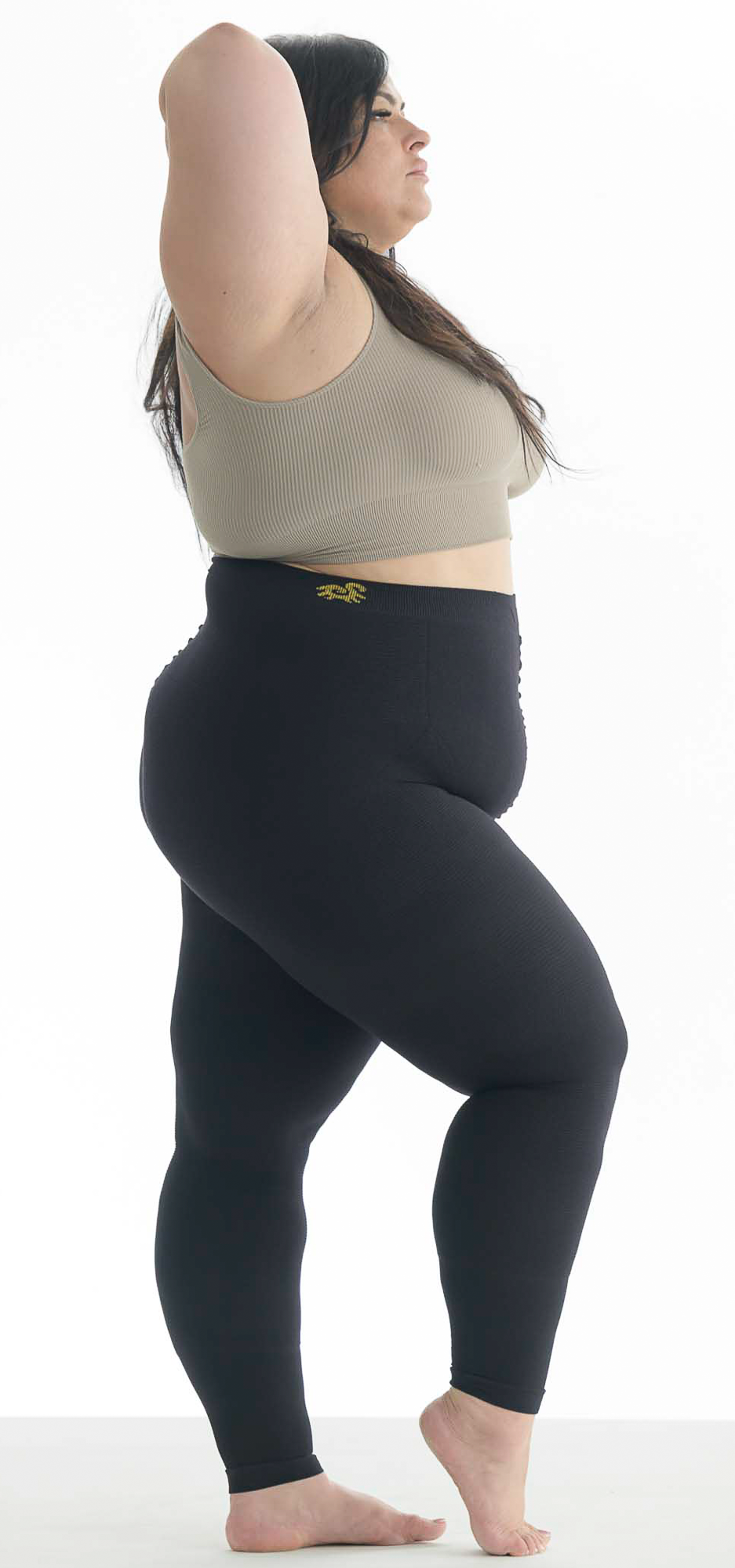
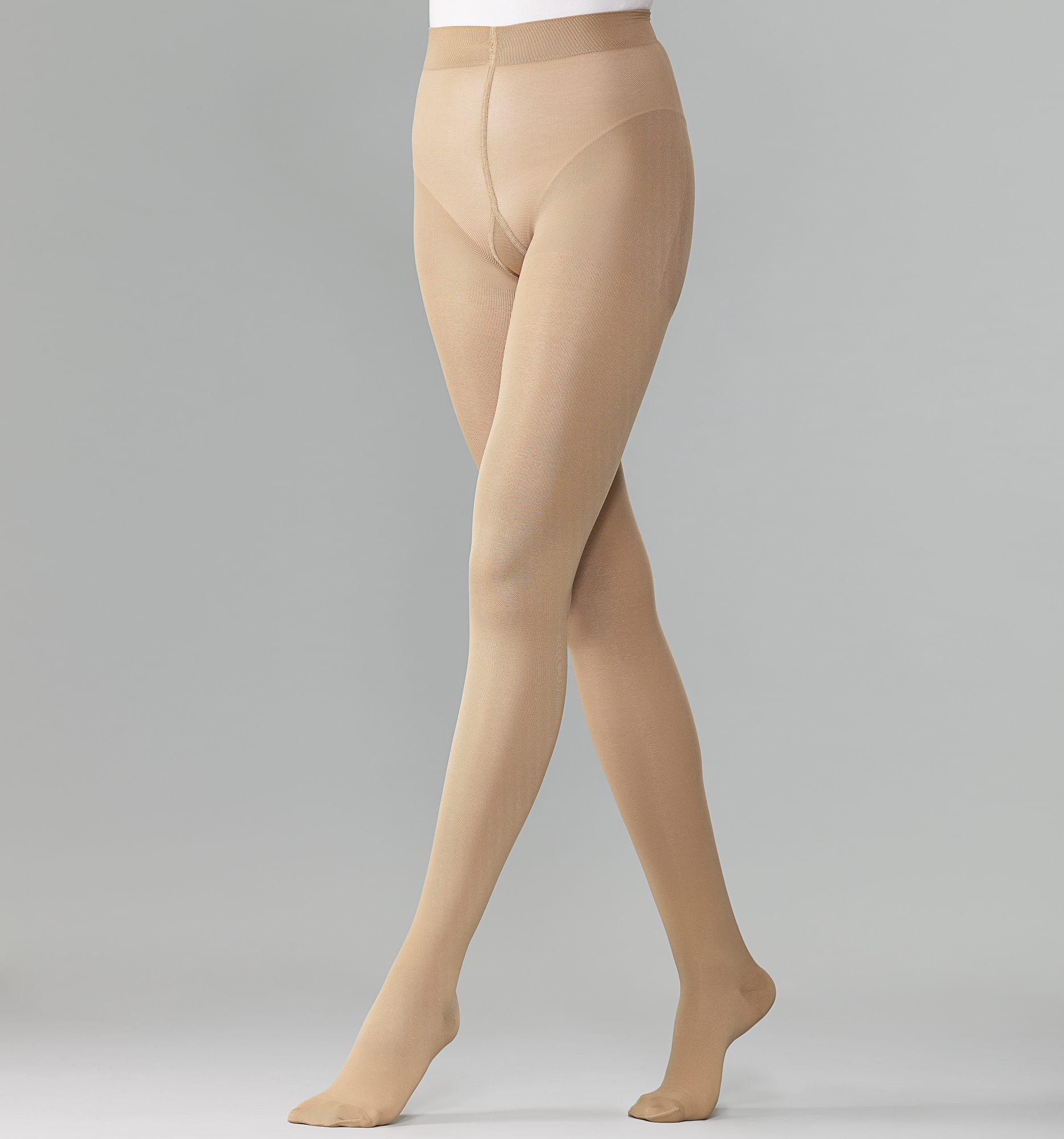
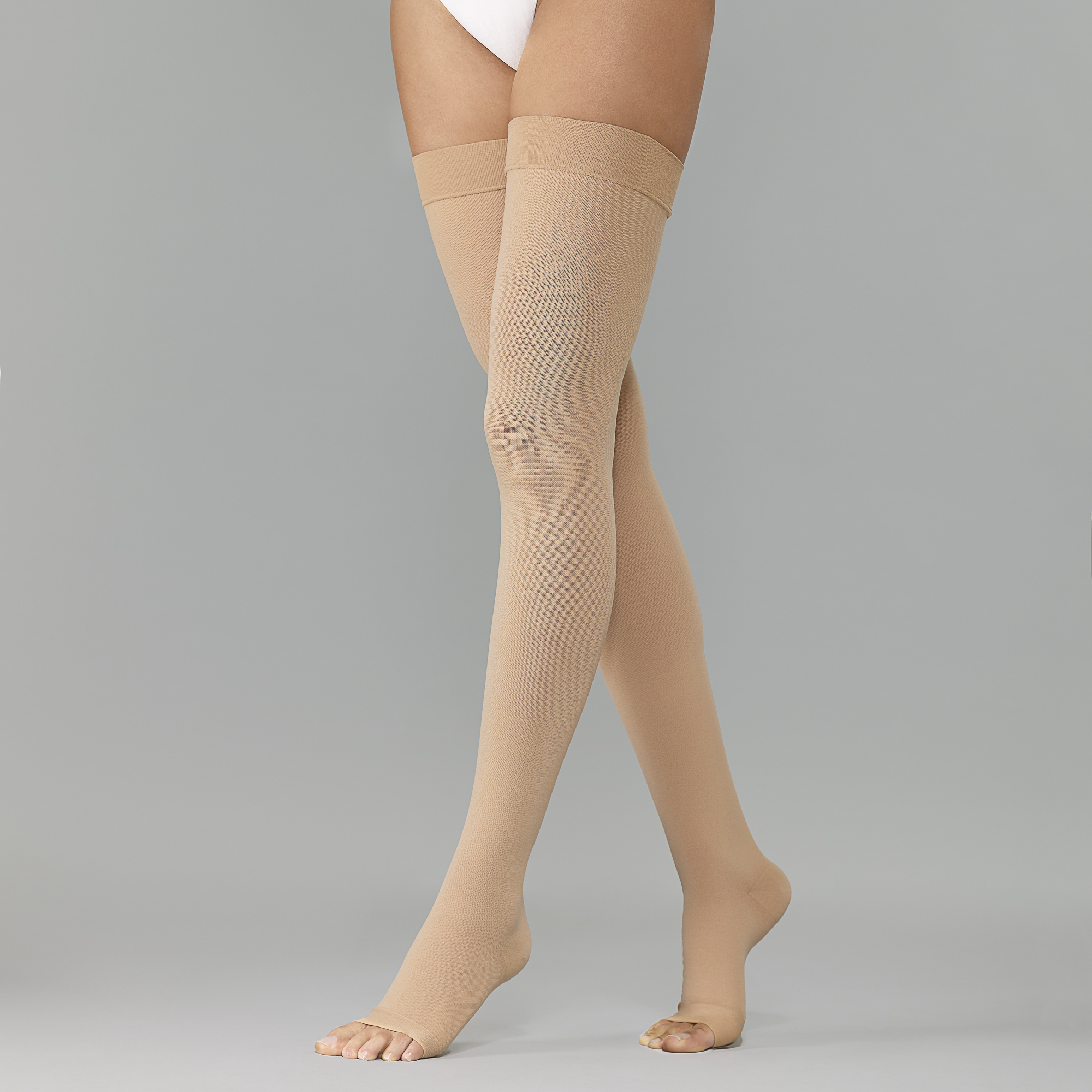
Soft-feeling RAL compression hosiery made of multi-filament yarn to provide graduated compression and fabric firmness and reduce swelling in the legs. A cotton range is also available.
